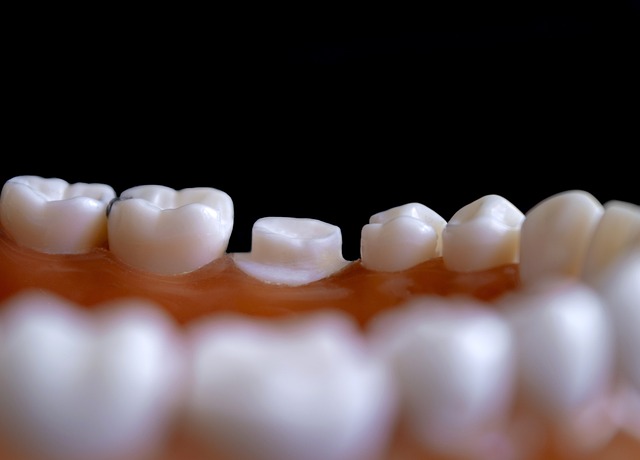
Tooth decay, known as dental caries, is a common oral health issue caused by sugars, starches, and bacterial activity leading to enamel erosion and cavities. Early detection and treatment through remineralization can prevent the decay's progression, which if left untreated may cause pain, infection, and necessitate dental interventions such as fillings or tooth extraction, with the cost of extraction in Liverpool varying widely. Regular oral hygiene, recognizing symptoms like tooth sensitivity and visible cavities, and staying informed about preventive care are key to managing this condition effectively. Dental exams and X-rays are essential for early detection of caries. In Liverpool, patients must consider the cost of treatment when deciding between various restorative options including fillings, inlays, onlays, crowns, and root canals, with the tooth extraction cost being particularly significant. For those concerned about costs, it's advisable to discuss financial aspects and available treatments with dental providers, explore insurance coverage, and consider financing options to ensure affordable care. Understanding the long-term implications of oral health decisions is crucial for maintaining a healthy mouth and overall well-being.
When it comes to oral health, dental caries—commonly known as tooth decay—remains a prevalent concern. This article delves into the etiology, manifestations, and evolution of tooth decay, offering insights into its causes, symptoms, and how it can affect your overall well-being. We explore the diagnostic process, including the role of X-rays and clinical examinations, to detect this condition early on. Furthermore, we examine the various treatment options available for more advanced stages of decay, such as fillings, crowns, and root canals. Of particular interest is the cost of tooth extraction in Liverpool, an important factor for many patients considering their oral healthcare options. We will analyze the elements influencing this expense and propose alternative solutions to manage the associated costs effectively.
- Understanding Dental Caries and Tooth Decay: Causes, Symptoms, and Progression
- Diagnostic Methods for Identifying Tooth Decay: X-Rays and Clinical Examinations
- Treatment Options for Tooth Decay Beyond Early Stages: Fillings, Crowns, and Root Canals
- Evaluating the Cost of Tooth Extraction in Liverpool: Factors Influencing the Price and Alternative Solutions
Understanding Dental Caries and Tooth Decay: Causes, Symptoms, and Progression
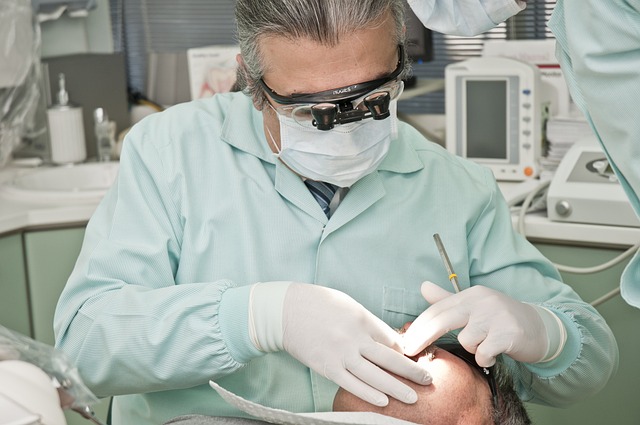
Understanding dental caries and tooth decay is essential for maintaining oral health. Caries, commonly referred to as tooth decay, is a multifactorial disease that progresses as sugars and starches in food are broken down into acids by bacteria in plaque, which then attack the teeth. These acids erode the enamel, the outermost layer of the tooth, creating holes or cavities. The process begins with demineralization, where tooth minerals are lost, and if not arrested, leads to the breakdown of tooth structure. Remineralization can occur when fluoride, calcium, and phosphate are introduced to strengthen the teeth, but if the decay progresses, it can lead to pain, infection, and ultimately, the need for dental treatment such as fillings or, in severe cases, tooth extraction.
Symptoms of tooth decay may include tooth sensitivity, visible holes or pits in the teeth, dark spots on the surface of the tooth, or pain when eating or drinking something sweet. As the disease advances, it can cause significant discomfort and even lead to an abscess. Regular dental check-ups are crucial for early detection and intervention, which can prevent more invasive procedures like tooth extraction. The cost of tooth extraction in Liverpool, like any medical service, varies depending on factors such as the dentist’s expertise and the complexity of the case. It is a procedure that should be considered a last resort after less invasive treatments have been attempted. Early diagnosis and proper oral hygiene practices can significantly reduce the risk of tooth decay and its associated costs, making it a preventable condition with consistent care.
Diagnostic Methods for Identifying Tooth Decay: X-Rays and Clinical Examinations
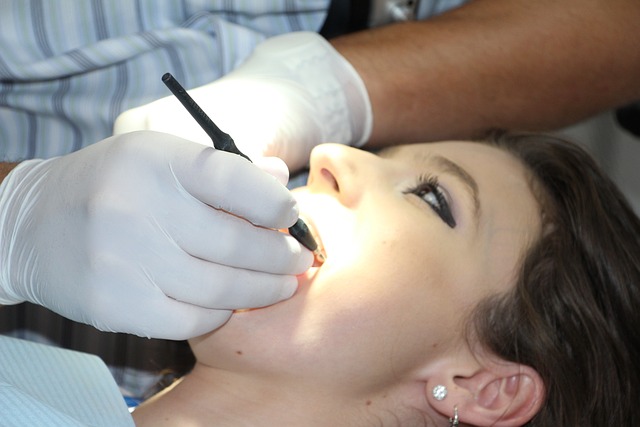
When it comes to diagnosing dental caries, or tooth decay, a combination of clinical examinations and X-rays plays a pivotal role in detecting its presence and assessing its severity. During a clinical examination, dentists visually inspect the teeth for any signs of decay, such as soft spots on the enamel or visible holes. They also probe the tooth surface with an instrument to check for weaknesses or discoloration that may indicate decay beneath the enamel’s surface. This method is highly dependent on the visibility and accessibility of the teeth and any existing restorations, which can sometimes obscure early signs of caries.
To complement clinical examinations, dental X-rays are an invaluable diagnostic tool. They provide a more comprehensive view of the tooth structure, including areas that may not be visible during an initial examination. Bitewing X-rays, for instance, help in detecting decay between teeth and assessing the health of existing fillings or root structures. These images can reveal early signs of decay that might otherwise go unnoticed until they have progressed to a more critical stage. In cities like Liverpool, understanding the cost implications of dental treatments, including tooth extraction, is essential for patients making informed decisions about their oral health care. The cost of X-rays and subsequent treatments can vary, with factors such as the number of teeth requiring X-ray imaging and the extent of the decay influencing the overall expense. It’s important for individuals to discuss these costs with their dental providers, considering options like tooth extraction cost in Liverpool, to tailor a treatment plan that fits their budget while addressing their oral health needs effectively.
Treatment Options for Tooth Decay Beyond Early Stages: Fillings, Crowns, and Root Canals
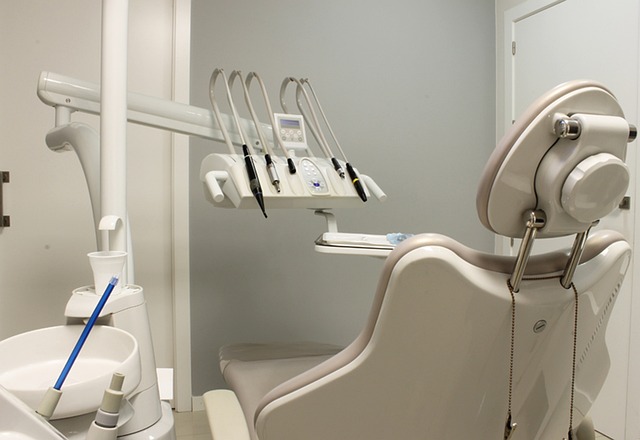
When tooth decay progresses beyond its early stages, a range of treatment options becomes available to address the damage and restore oral health. Dentists often begin with more conservative treatments before considering more invasive procedures. Fillings are one of the most common treatments for tooth decay. Composite resin fillings can be color-matched to blend seamlessly with natural teeth, providing both function and aesthetics. For larger cavities or decay that has reached the dentin layer of the tooth, inlays and onlays may be used instead of traditional fillings to provide additional support.
In cases where the decay has compromised a significant portion of the tooth structure, or if the tooth has undergone a root canal treatment and the remaining structure is not sufficient for a filling, crown or cap restoration is indicated. A dental crown fully covers the remaining tooth structure, reinforcing the tooth and preventing further decay. For teeth with deep decay that affect the roots, a root canal treatment might be necessary to remove the infected pulp. Following this procedure, the tooth is typically restored with a crown to protect it from fracture and to maintain its function. In cities like Liverpool, patients may inquire about the cost of tooth extraction, which can be a consideration if a tooth is too severely decayed and cannot be saved. The expense of dental work such as fillings, crowns, or root canals, including the tooth extraction cost in Liverpool, should ideally be weighed against the long-term benefits of preserving oral health and preventing more complex and expensive dental problems in the future.
Evaluating the Cost of Tooth Extraction in Liverpool: Factors Influencing the Price and Alternative Solutions

When considering tooth extraction in Liverpool, the cost is a significant factor for many individuals. The price of this dental procedure can vary widely based on several factors. Primarily, the complexity of the extraction determines the majority of the costs; a simple extraction, where the dentist can see the entire tooth, is typically less expensive than a surgical extraction, which may be required if the tooth is broken, impacted, or not visible in the mouth. Additionally, the location and reputation of the dental practice, as well as the qualifications of the dental professional performing the procedure, contribute to the cost variation. Private practices often charge more than NHS dentists, although not all tooth extractions are covered by the NHS. It’s advisable to obtain several quotes from different practitioners to understand the range of costs.
Moreover, patients seeking alternative solutions to tooth extraction due to financial or other concerns have options. Root canal treatment and dental crowns can often save a damaged tooth, although these alternatives also incur costs that must be weighed against the expense of extraction. Dental insurance plans may offer coverage for such treatments, reducing the overall cost burden. Another alternative is to explore dental financing plans, which many practices offer to help patients manage out-of-pocket expenses. Regardless of the chosen path, it’s essential to consider the long-term implications on oral health and overall well-being when evaluating the costs associated with tooth extraction in Liverpool.
In conclusion, tooth decay, commonly known as dental caries, remains a prevalent concern worldwide. Understanding its causes, recognizing symptoms, and tracking its progression are crucial for effective management. Diagnostic methods such as X-rays and clinical examinations play an indispensable role in identifying the condition early on. When tooth decay advances beyond its initial stages, treatment options like fillings, crowns, and root canals become necessary. Notably, patients in Liverpool seeking to address more severe cases may be particularly concerned with the cost of tooth extraction. It’s essential for individuals to weigh their options, consider alternative solutions, and consult with dental professionals to make informed decisions about their oral health care. The information presented here aims to illuminate the path forward in managing this common ailment effectively, with a focus on cost-effective and comprehensive treatment strategies in Liverpool.