Dental caries, or tooth decay, is a prevalent oral health issue in Cambridge, primarily caused by plaque bacteria and dietary sugars leading to enamel erosion and potential cavities. Symptoms range from sensitivity to temperature to visible white spots on teeth, progressing to severe pain and tooth loss if left untreated. Preventive measures include diligent oral hygiene, reducing sugar intake, and regular dental check-ups. For those with advanced decay, dental implant surgery in Cambridge is a high-quality, reliable treatment option that offers both aesthetic and functional restoration. This procedure involves inserting a titanium implant into the jawbone, which integrates over time to support a crown that looks and functions like a natural tooth. The success of this surgery is contingent on the patient's jawbone and gum health, emphasizing the importance of proactive oral care. Advanced treatments at Cambridge's Centre for Dental Implants utilize state-of-the-art imaging technologies to ensure personalized treatment plans, enhancing oral function and overall quality of life. The Centre offers a range of treatments tailored to each patient's condition, from remineralization therapy for early-stage caries to root canal treatment and dental implant surgery for more advanced cases. Every step is taken with the patient's well-being in mind, with informed discussions about risks, benefits, and alternatives to ensure the best possible outcome in restoring smiles and oral health post-decay.
Exploring the multifaceted nature of dental caries and its manifestation as tooth decay, this article delves into the underlying causes, early warning signs, and effective prevention strategies. It underscores the importance of timely intervention to mitigate the impact of this prevalent condition. Furthermore, it examines the critical role of advanced dental implant surgery in Cambridge, offering hope and restored function to those who have experienced tooth loss due to caries. The discourse also navigates the spectrum of treatment options available for managing caries, from conservative methods to sophisticated surgical interventions, ensuring readers are well-informed about the choices that can lead to a healthier smile.
- Understanding Dental Caries and Tooth Decay: Causes, Symptoms, and Prevention Strategies
- The Role of Dental Implant Surgery in Addressing Tooth Loss from Caries
- Navigating Treatment Options: From Conservative Methods to Surgical Interventions for Caries Management in Cambridge
Understanding Dental Caries and Tooth Decay: Causes, Symptoms, and Prevention Strategies
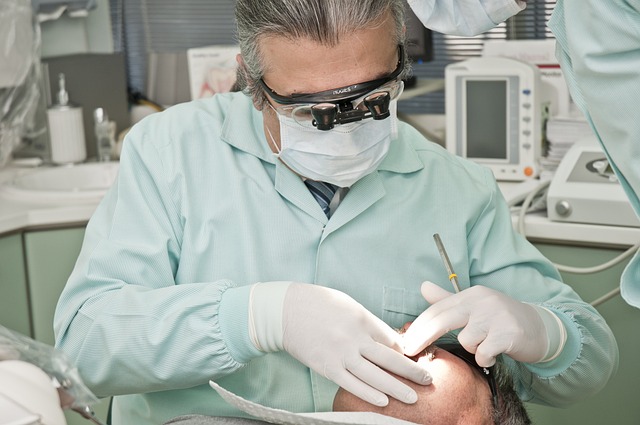
Understanding dental caries, commonly known as tooth decay, is crucial for maintaining oral health. Caries develop when acids, formed from plaque bacteria interacting with sugars in the mouth, erode the enamel of the teeth. This process can lead to cavities and, if left untreated, more serious complications. The initial symptoms of dental caries may include sensitivities to hot or cold foods and drinks, as well as a visible white spot on the tooth surface, which signifies mineral loss from the enamel. As decay progresses, these symptoms can intensify, leading to pain, discoloration, and eventually, a hole in the tooth.
Preventing dental caries involves a combination of good oral hygiene practices and dietary considerations. Regular brushing and flossing are essential to remove plaque and prevent the buildup of harmful bacteria. Additionally, limiting sugary snacks and beverages reduces the amount of sugar available for the bacteria to convert into acids. For those with advanced tooth decay, dental implant surgery in Cambridge offers a durable and aesthetically pleasing solution. This procedure involves surgically placing a titanium implant into the jawbone, which serves as a replacement root for a single tooth or a set of dentures. The success of dental implant surgery relies on the health of the jawbone and gums, making it imperative to address caries early to avoid such invasive treatments. Regular dental check-ups are also vital in the early detection and treatment of caries, ensuring that preventive measures can be taken before decay reaches a point where an implant is necessary.
The Role of Dental Implant Surgery in Addressing Tooth Loss from Caries

Dental caries, commonly known as tooth decay, remains a prevalent issue worldwide, often leading to tooth loss if left untreated. In the case of Cambridge, as with many regions, the need for effective restorative solutions is paramount. Dental implant surgery has emerged as a superior option for those who have experienced tooth loss due to caries. This surgical procedure involves the placement of a titanium implant into the jawbone, where it fuses with the bone, providing a sturdy foundation for a dental prosthesis that mimics the look and function of a natural tooth. The Centre for Dental Implants in Cambridge is at the forefront of this technology, offering patients a durable and aesthetically pleasing solution to tooth loss. The success rate of dental implant surgery is high when performed by skilled professionals, making it an increasingly popular choice among individuals seeking a permanent fix. The process not only enhances oral function but also significantly improves the patient’s quality of life by restoring their ability to eat, speak, and smile with confidence. Additionally, the integration of modern imaging and planning tools, such as CT scans and computer-aided design and computer-aided manufacturing (CAD/CAM), has further refined the precision and predictability of dental implant surgery in Cambridge, ensuring a tailored approach to each patient’s unique needs.
Navigating Treatment Options: From Conservative Methods to Surgical Interventions for Caries Management in Cambridge
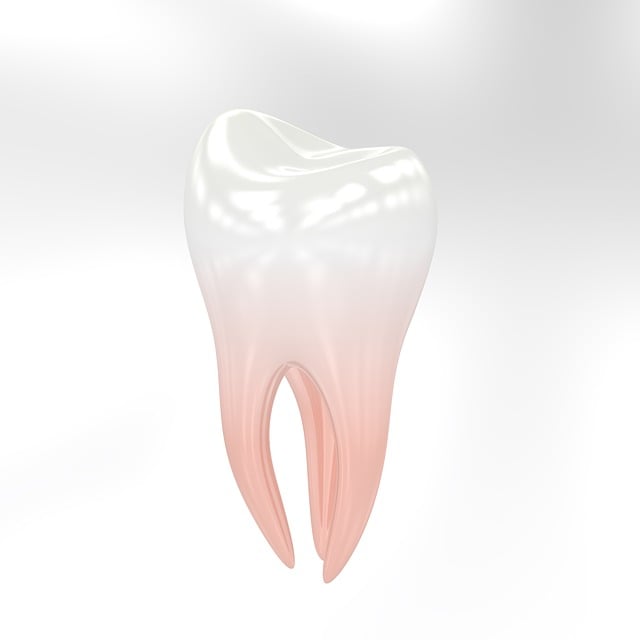
navigating treatment options for dental caries in Cambridge encompasses a range of conservative methods to surgical interventions, each tailored to address the unique needs of the patient. For those with early-stage caries, minimally invasive techniques such as remineralization therapy and dental sealants are highly effective. These methods aim to strengthen tooth enamel and prevent decay progression without altering the tooth structure significantly. For more advanced cases, dental fillings made from composite materials or glass ionomer cement can restore the integrity of the affected tooth.
In instances where decay has compromised a significant portion of the tooth, crown or onlay restorations might be necessary to provide additional support and protection. When caries have reached the pulp, endodontic therapy, commonly known as root canal treatment, is performed to eliminate infection and prevent the need for extraction. In cases where tooth loss has occurred or extraction is inevitable due to severe decay, dental implant surgery in Cambridge emerges as a highly successful solution. This procedure involves placing a titanium implant into the jawbone, which acts as a replacement root for a natural-looking crown. The surgical team at reputable clinics in Cambridge specializes in this process, ensuring meticulous planning and precise execution to achieve optimal results. Patients considering dental implants should be evaluated for their oral health status and overall well-being to determine if they are suitable candidates for this treatment. The decision to proceed with dental implant surgery is made after a thorough consultation, which includes discussions on the risks, benefits, and alternative treatments. With advancements in dental technology and materials, individuals in Cambridge have access to state-of-the-art care that can restore both the function and aesthetics of their smile following tooth decay.
In conclusion, dental caries and tooth decay remain significant public health concerns that necessitate effective diagnoses and treatments. The article has delved into the multifaceted nature of this issue, outlining the causes, symptoms, and prevention strategies for dental caries. It has also highlighted the importance of considering advanced treatment options, with a particular focus on dental implant surgery in Cambridge as a reliable solution for those facing tooth loss due to caries. By exploring conservative methods alongside surgical interventions, readers are equipped with comprehensive knowledge to navigate their choices in managing this common condition. It is clear that with timely diagnosis and appropriate care, the impact of dental caries on oral health can be significantly mitigated, ensuring better overall well-being for individuals.