In Oxford, teeth straightening using clear aligners has evolved beyond a mere cosmetic procedure to become an integral component of oral healthcare, playing a pivotal role in the early detection of oral cancer. Dentists in the region now incorporate this advanced orthodontic treatment into their routine examinations, leveraging the clear aligners as a tool for enhanced visualization of oral tissues during comprehensive oral cancer screenings. This dual benefit approach ensures patients receive top-notch dental alignment while also facilitating early identification of potential cancer signs. The integration of cutting-edge imaging technologies like CBCT and OCT, along with innovative techniques such as fluorescence spectroscopy and AI diagnostics, significantly amplifies the effectiveness of these screenings. Regular dental check-ups, a cornerstone of preventive healthcare, are vital for timely intervention, effective treatment, and improved patient prognosis, underscoring the importance of maintaining oral health through consistent care and lifestyle adjustments that mitigate oral cancer risk factors. In summary, the proactive integration of clear aligners into dental practice in Oxford represents a significant advancement in early oral cancer detection and overall oral healthcare.
Each year, oral cancer affects countless individuals worldwide. Early detection significantly enhances survival rates, a critical reason why integrating oral cancer screenings into routine dental exams is paramount. This article delves into the pivotal role of dentists in identifying potential risks early on, leveraging their expertise during regular check-ups. We explore the various strategies to mitigate these risks and how advancements in teeth straightening solutions from Teeth Straightening Oxford, like clear aligners, can provide additional benefits beyond aesthetics. Furthermore, we outline the screening process patients can anticipate during a dental visit, emphasizing the importance of regular dental care for the early diagnosis of oral cancers. Advanced techniques and tools employed by dentists to detect malignancies are also discussed, offering insights into the modern approach to safeguarding oral health.
- The Role of Dentists in Oral Cancer Screenings During Routine Exams
- Understanding Oral Cancer Risks and Prevention Strategies
- How Clear Aligners from Teeth Straightening Oxford Can Aid in Early Detection
- The Process of Oral Cancer Screening: What to Expect During Your Dental Visit
- The Importance of Regular Dental Check-ups for Early Diagnosis of Oral Cancers
- Advanced Techniques and Tools Used by Dentists for Detecting Oral Malignancies
The Role of Dentists in Oral Cancer Screenings During Routine Exams
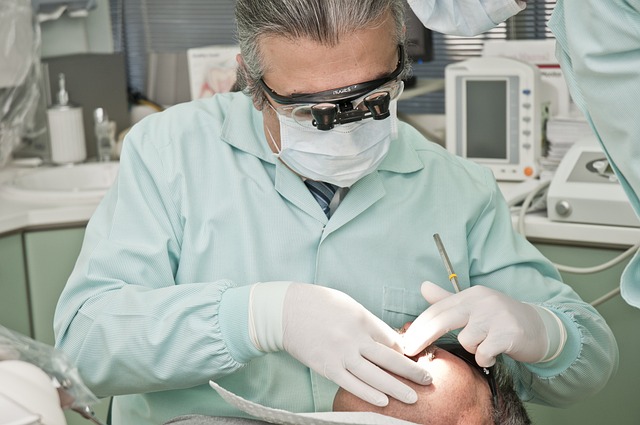
Dentists play a pivotal role in the early detection and diagnosis of oral cancer, which is why incorporating oral cancer screenings into routine exams is a critical aspect of dental care. During these exams, dentists carefully examine the oral cavity for any abnormalities that may signal the onset of cancerous growths. This includes a visual inspection of the mouth, tongue, and throat, as well as palpation of tissues to check for lumps or swellings. Early detection significantly increases the chances of successful treatment and survival rates. Moreover, the use of advanced technologies such as teeth straightening with clear aligners in Oxford can also aid in the early identification of potential issues within the oral cavity by providing dentists with a clear, unobstructed view of the oral structures. The seamless integration of these orthodontic treatments into routine dental care not only enhances aesthetic outcomes but also allows for more vigilant and proactive management of oral health concerns, including the risk of oral cancer. Regular visits to the dentist for check-ups are therefore essential for maintaining good oral hygiene and overall health, ensuring that any signs of oral cancer are caught as early as possible for effective intervention and treatment.
Understanding Oral Cancer Risks and Prevention Strategies
Oral cancer remains a significant health concern, with early detection being pivotal in successful treatment outcomes. While anyone can develop oral cancer, certain risk factors increase the likelihood of its occurrence. Tobacco use, excessive alcohol consumption, and prolonged exposure to sunlight are key contributors to the development of this disease. Additionally, individuals with a history of head and neck cancer, a weak immune system, or a genetic predisposition must remain vigilant. The rise in oral cancers has prompted healthcare professionals to integrate oral cancer screenings as part of routine dental exams, ensuring that early signs are not overlooked. This proactive approach allows for timely intervention, which significantly improves the chances of recovery.
Prevention strategies are multifaceted and emphasize lifestyle modifications alongside regular medical check-ups. Cessation of tobacco use, moderation in alcohol intake, and protection against excessive sun exposure are crucial steps individuals can take to reduce their risk. Maintaining good oral hygiene and attending regular dental visits are also essential, as they facilitate the detection of any abnormal changes within the oral cavity. In this context, advancements in teeth straightening with clear aligners in places like Oxford have contributed to better oral health by improving the fit and alignment of teeth, which can sometimes reveal underlying issues that may be indicative of potential risks. By combining these prevention measures with regular oral cancer screenings during routine exams, individuals can significantly lower their risk and ensure their overall well-being.
How Clear Aligners from Teeth Straightening Oxford Can Aid in Early Detection

Clear aligners from Teeth Straightening Oxford play a pivotal role in enhancing oral healthcare through early detection of potential issues, including oral cancer. These advanced orthodontic solutions not only align teeth for aesthetic and functional purposes but also provide an opportunity for dentists to conduct thorough examinations during the fitting and adjustment process. The smooth, plastic surface of clear aligners offers a unique advantage over traditional braces; it allows for a more precise visualization of oral tissues, which can be instrumental in identifying early signs of oral cancer. This non-invasive approach enables dentists to monitor changes in the oral cavity closely, ensuring that any abnormalities are detected at an initial stage where treatment outcomes are typically more favorable.
Regular use of clear aligners from Teeth Straightening Oxford, as part of a comprehensive oral health regimen, can thus serve as a valuable tool for early detection and intervention in oral cancer. Patients undergoing teeth straightening with clear aligners from Oxford benefit from the dual function of their treatment: not only do they achieve straighter, healthier smiles, but they also engage in a proactive approach to oral cancer screening. This synergy between orthodontic care and early disease detection underscores the importance of integrating such modern solutions into routine dental practices.
The Process of Oral Cancer Screening: What to Expect During Your Dental Visit
During your routine dental visit, oral cancer screening is a critical component that can be seamlessly integrated into the examination process. The screening itself is a systematic evaluation that your dentist or hygienist will perform to check for any abnormalities within your oral cavity. This involves a visual-oral exam, where the healthcare provider will carefully inspect the interior of your mouth, including the tongue, gums, roof of the mouth, and the insides of your cheeks, using a light source or other devices to enhance visibility. They will be on the lookout for any suspicious lesions, discolorations, or swellings that may signify potential issues.
Should the dental professional identify any areas of concern during this initial exam, they may employ additional diagnostic methods such as palpation, where they gently press on any suspicious areas to assess their texture and consistency, or specialist imaging techniques like a panoramic X-ray or CT scan. In some cases, a referral to a specialist for further examination might be necessary. It’s important to remain calm and cooperative throughout the process, as early detection is key in successful treatment outcomes. Additionally, discussions about teeth straightening with clear aligners in Oxford may also take place during these visits, emphasizing the importance of oral health for both aesthetic and functional reasons. Regular screenings, alongside proactive oral care practices, contribute significantly to the early detection of oral cancer, which can greatly improve the chances of successful treatment and recovery.
The Importance of Regular Dental Check-ups for Early Diagnosis of Oral Cancers
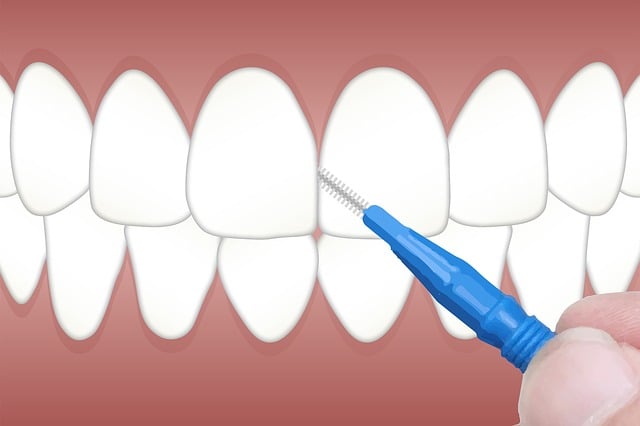
Regular dental check-ups play a pivotal role in the early diagnosis and management of oral cancers, which is why these exams are invaluable for patient health. Dentists trained in oral cancer screenings examine the oral cavity for abnormal tissue changes that may signify the onset of cancer. This meticulous process often involves visual inspections and, if necessary, additional diagnostic tools. Early detection significantly increases the chances of successful treatment outcomes. In fact, when oral cancers are caught early, the five-year survival rate is much higher. Moreover, staying current with dental visits not only supports oral health but also provides a baseline for monitoring any changes over time. For those considering teeth straightening options like clear aligners in Oxford, regular dental check-ups are even more crucial. These visits enable dentists to keep track of the alignment progress and, simultaneously, perform screenings that could lead to early detection of potential issues beyond aesthetic concerns. Thus, for individuals seeking cosmetic treatments such as clear aligners, integrating oral cancer screenings into routine dental care is a proactive step towards maintaining both dental alignment and overall oral health.
Advanced Techniques and Tools Used by Dentists for Detecting Oral Malignancies
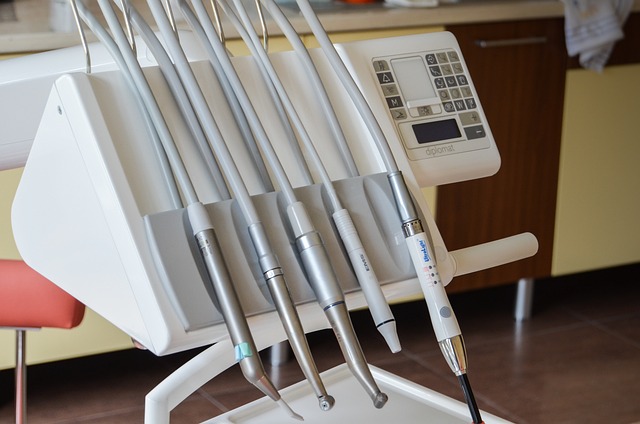
Dentists employ a myriad of sophisticated techniques and state-of-the-art tools to detect oral malignancies at the earliest stages, ensuring better patient outcomes. These advancements go beyond traditional methods, offering a more nuanced approach to early diagnosis. Among these, the integration of imaging technologies such as cone-beam computerized tomography (CBCT) provides high-resolution, three-dimensional images that enable dentists to visualize and assess the extent of potential lesions with greater precision. Additionally, optical coherence tomography (OCT) is a non-invasive imaging modality that can offer cross-sectional images of oral tissues at the cellular level, facilitating the detection of abnormalities in the early stages.
Incorporating these technologies into routine examinations complements traditional screening methods like visual inspections and palpation. For instance, fluorescence spectroscopy utilizes light to evaluate tissue health by measuring fluorescence emissions from oral tissues, which can change due to the presence of cancerous cells. Furthermore, the advent of artificial intelligence (AI) in dental diagnostics has led to the development of algorithms capable of analyzing images with a level of accuracy that rivals and sometimes surpasses human expertise. This AI-driven approach not only enhances the detection process but also assists in teeth straightening with clear aligners in Oxford by ensuring that treatment plans consider the overall oral health status of the patient, thereby aligning with the holistic care approach in dentistry.
In conclusion, the integration of oral cancer screenings within routine dental exams represents a significant stride in early detection and prevention. Dentists play a pivotal role in this process, leveraging advanced techniques and tools alongside teeth straightening treatments from clear aligners Oxford to enhance surveillance capabilities. Understanding the risks associated with oral cancer and implementing effective prevention strategies is crucial for patients and practitioners alike. Regular dental visits not only support oral health but also offer opportunities for early diagnosis of potential malignancies. By staying informed and proactive, individuals can contribute to their overall well-being and the effectiveness of early detection measures.