
Expectant mothers in Cambridge should be aware that hormonal changes during pregnancy can impact oral health, increasing susceptibility to conditions like gingivitis. It's crucial for pregnant women to maintain good oral hygiene and attend regular dental check-ups to manage these changes effectively. For those considering dental implant surgery in Cambridge, the safest time to proceed is typically during the second trimester after consulting with both a dentist and an obstetrician, as this minimizes potential risks to the fetus. Pregnancy tumors, non-cancerous gum growths, can also develop between teeth but are usually painless. Postpartum women should delay elective dental procedures like implant surgery until after breastfeeding due to hormonal effects on bone density and recovery during lactation. Personalized care from specialized dental teams in Cambridge is essential for managing the unique oral health needs of pregnant women, with the aim of ensuring both maternal and fetal well-being. After childbirth, it's advisable to consult a dental professional if considering complex treatments like dental implant surgery in Cambridge, especially if there were dental issues during pregnancy or while breastfeeding. New mothers should prioritize a dental visit before resuming breastfeeding to address any oral health concerns and protect their own and their child's health. Through careful planning and collaboration among healthcare providers, expectant and new mothers in Cambridge can navigate the complexities of dental implant surgery during pregnancy and breastfeeding phases successfully.
Expectant mothers face a myriad of changes, with oral health being one that can significantly impact both pregnancy and postpartum periods. This article delves into the transformations in dental well-being during pregnancy and the nuances of breastfeeding’s role in postpartum oral health. It emphasizes the importance of understanding how nutrition influences gum health and the considerations for those opting for dental implant surgery in Cambridge, especially amidst these life-altering changes. With expert insights, the piece guides expectant mothers through safe dental practices and provides a comprehensive overview of navigating dental implant procedures pre- and post-pregnancy.
- Understanding Oral Health Changes During Pregnancy
- Nutritional Impacts on Gum Health and Dental Implant Considerations
- Safe Dental Practices for Expecting Mothers
- Breastfeeding and Its Effects on Oral Health Postpartum
- Navigating Dental Implant Surgery in Cambridge During and After Pregnancy
Understanding Oral Health Changes During Pregnancy
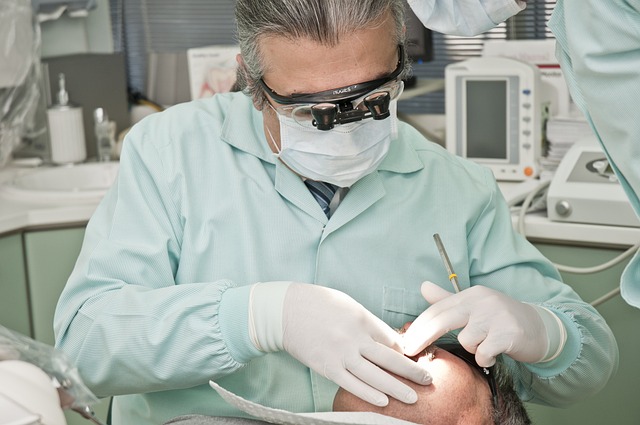
During pregnancy, hormonal fluctuations can significantly impact a woman’s oral health, necessitating attention and care. Hormones like estrogen and progesterone, which are at peak levels during this time, can influence the gum tissue, leading to conditions such as pregnancy gingivitis. This heightened susceptibility to gum inflammation can manifest as red, swollen, or tender gums that bleed easily. It’s crucial for expectant mothers to maintain a rigorous oral hygiene routine and seek regular dental check-ups, as poor oral health can pose risks not only to the mother but also to the developing fetus. Pregnant individuals may also experience pregnancy tumors, which are non-cancerous overgrowths of gum tissue that typically occur between the teeth and are usually painless.
For those considering dental implant surgery in Cambridge or any other procedural interventions during this period, it is imperative to consult with a dental professional beforehand. The second trimester is often considered the safest time for elective dental procedures, as the risk of adverse effects on the fetus is minimized. However, each pregnancy and individual health situation is unique, and a thorough evaluation by a qualified dental specialist is essential to determine the best course of action. It’s important to communicate openly with your dental team about your pregnancy status and any changes in your oral health, ensuring that both you and your baby receive the necessary care and attention during this critical time.
Nutritional Impacts on Gum Health and Dental Implant Considerations

During pregnancy, hormonal fluctuations can significantly impact oral health, particularly gum health. Expectant mothers may notice their gums are more susceptible to irritation and inflammation, a condition known as pregnancy gingivitis. Proper nutrition plays a crucial role in maintaining gum health; a balanced diet rich in vitamins and minerals, such as calcium and vitamin C, supports the health of both teeth and gums. Pregnant individuals should prioritize oral hygiene practices like regular brushing and flossing to mitigate the risk of periodontal disease, which has been linked to adverse pregnancy outcomes. It’s also advisable to consult with a dental professional for personalized care and advice.
When considering dental implant surgery in Cambridge or any location, it’s important for pregnant women or those who are breastfeeding to postpone such procedures until after they have completed breastfeeding. The hormonal changes during pregnancy can affect bone density, which is a critical factor in the success of dental implants. Breastfeeding can also influence oral health and recovery times. Prospective patients should discuss their plans for pregnancy or breastfeeding with their dental implant specialist before proceeding with any surgical intervention. This ensures that both maternal and child health are considered, as well as the optimal timing for such a procedure to achieve the best possible outcomes.
Safe Dental Practices for Expecting Mothers
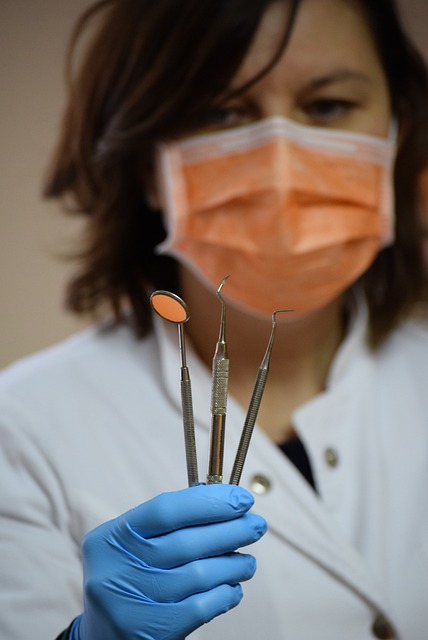
expectant mothers must maintain diligent oral hygiene practices throughout their pregnancy, as hormonal changes can affect both gum health and the progression of dental diseases. It is imperative to continue with regular dental check-ups and cleaning during this time. If any dental procedures are necessary, such as routine cleanings or fillings, they should be performed during the second trimester when the risk to the fetus is lowest. For more complex procedures like dental implant surgery, it is generally recommended to postpone until after delivery. However, in cases of emergency or significant oral health concerns that pose a risk to the mother’s health, treatment may be necessary even during pregnancy. It is essential for expecting mothers to communicate openly with their dentist about their pregnancy status and any changes in their oral health, as pregnancy can exacerbate pre-existing conditions like gingivitis, leading to more serious periodontal disease if left untreated. Additionally, medications and anesthetics used during dental procedures should be discussed with both the healthcare provider and obstetrician to ensure the safety of both mother and child. Proper oral care not only supports overall health but also benefits the baby’s health, as good oral hygiene can prevent the transmission of bacteria from mother to child, which is particularly important during breastfeeding. In Cambridge and other regions, specialized dental professionals are equipped to handle the unique needs of expectant mothers, offering tailored advice and care to ensure a healthy pregnancy and postpartum period.
Breastfeeding and Its Effects on Oral Health Postpartum

During pregnancy, hormonal changes can significantly impact oral health, and these effects may persist or evolve into the postpartum period. Progesterone, for instance, can cause gingival enlargement, leading to swollen gums that may be more susceptible to infection. Breastfeeding, a natural bonding process following childbirth, can also influence oral health. The act of breastfeeding encourages the continuation of good oral hygiene habits, as mothers are often more conscientious about their personal care during this time to maintain fresh breath and a healthy mouth, which is crucial for the baby’s health. Additionally, the nutrients present in breast milk can support the overall well-being of both mother and child, including oral health.
For mothers who have experienced dental issues during pregnancy or while breastfeeding, it may be prudent to consult with a dental professional postpartum. If more complex restorative treatments like dental implant surgery are required, Cambridge offers specialized dental clinics equipped to handle such procedures. The postpartum period is a time of recovery and adjustment for new mothers, and addressing any oral health concerns during this phase can be beneficial. It is advisable to schedule a dental visit after the baby’s birth and before resuming breastfeeding if any dental work, including implant surgery, is anticipated. This proactive approach ensures that both the mother’s and the infant’s health are safeguarded.
Navigating Dental Implant Surgery in Cambridge During and After Pregnancy

When considering dental implant surgery in Cambridge, especially during or after pregnancy, it’s crucial to consult with a dental professional who specializes in this procedure. Pregnancy can bring about significant hormonal changes that may affect oral health, potentially impacting the outcome of any surgical intervention. Women planning to undergo dental implant surgery should ideally schedule the procedure during the second trimester, after consulting with both their dentist and obstetrician. This timing minimizes risks to both the mother and the developing fetus, as the majority of organ development occurs in the first trimester, and significant weight gain and swelling, which can occur in the third trimester, may complicate surgery.
In Cambridge, dental practitioners with expertise in implantology are well-versed in managing such cases with a focus on patient safety and optimal health outcomes. Postpartum recovery is also a time when focusing on one’s own health becomes paramount. The postoperative period for dental implant surgery requires attentive care and follow-up visits to ensure proper healing and integration of the implants. Breastfeeding mothers should communicate openly with their healthcare providers about their breastfeeding status, as certain medications used during or after the procedure may need to be adjusted to avoid any adverse effects on the infant. With careful planning and coordination among dental and medical professionals, expectant and new mothers in Cambridge can successfully navigate dental implant surgery while balancing the demands of pregnancy and breastfeeding.
Expecting mothers often encounter significant changes in their oral health during pregnancy and breastfeeding. It is crucial to maintain optimal dental hygiene and consult with dental professionals, particularly when considering dental implant surgery in Cambridge. This article has delineated the pivotal aspects of oral health management during these periods, emphasizing nutritional impacts on gum health and safe practices for expecting mothers. Furthermore, it highlights how breastfeeding can influence postpartum oral health, offering valuable insights for new mothers. By adhering to the guidance provided, women can safeguard their dental well-being and make informed decisions regarding dental implant procedures in Cambridge, ensuring a healthy smile for themselves and their growing families.