
Each year, oral cancer claims countless lives, underscoring the necessity of vigilance and proactive care. This article delves into the pivotal role of routine dental exams in early detection, a critical factor in successful treatment outcomes. We explore how dentists are on the front lines against this disease, equipped with the latest diagnostic techniques to identify potential issues at their nascent stages. Furthermore, we examine the significance of oral cancer screenings within the broader context of preventative healthcare, including post-dental implant surgery Cambridge monitoring and the importance of understanding personal risk factors. By integrating these screenings into regular dental visits, patients can significantly enhance their odds of beating this formidable condition.
- Importance of Early Detection: Oral Cancer Screenings in Routine Dental Care
- Understanding Oral Cancer Risks and Prevention Strategies
- The Role of Dentists in Identifying Early Signs of Oral Cancer
- The Process of Oral Cancer Screening During a Regular Dental Visit
- Dental Implant Surgery Cambridge: Considerations for Post-Treatment Monitoring
- Advanced Diagnostic Techniques Used in Oral Cancer Screenings
Importance of Early Detection: Oral Cancer Screenings in Routine Dental Care
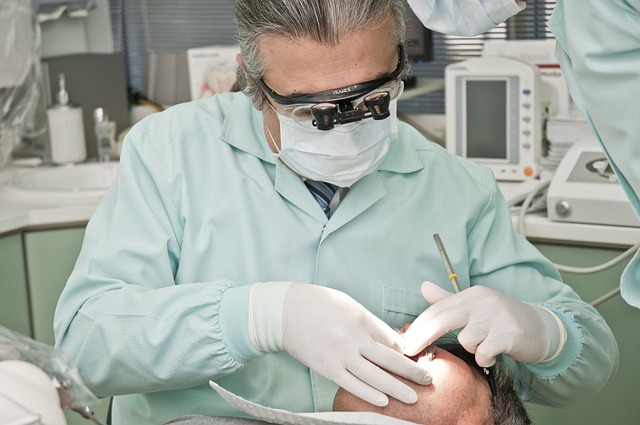
Identifying oral cancer in its early stages significantly enhances treatment effectiveness and survival rates, underscoring the critical nature of early detection. During routine dental exams, healthcare providers perform meticulous screenings for potential signs of oral cancer, which can include unusual lumps, red or white patches, and mouth sores that do not heal within two weeks. These screenings are integral to preventive health care and are often a precursor to more invasive procedures such as dental implant surgery in Cambridge, where early intervention can lead to better outcomes. The integration of oral cancer screening into regular dental visits allows for prompt diagnosis and treatment, potentially saving lives by catching the disease before it progresses.
Incorporating oral cancer screenings within the scope of routine dental care is a proactive approach that benefits patients who may be at risk due to factors like tobacco use, excessive alcohol consumption, or a history of the disease. It is a non-invasive step in the preventative health process and can alleviate patient anxiety regarding the possibility of oral cancer by providing peace of mind or early intervention when necessary. For those in Cambridge considering dental implant surgery, early detection through regular screenings can be a crucial component in maintaining overall oral health and ensuring that any necessary surgical procedures are as minimally invasive as possible.
Understanding Oral Cancer Risks and Prevention Strategies

Identifying the risks associated with oral cancer is a critical component of preventive healthcare. Oral cancer, a pathology that can manifest in various areas within and around the mouth and throat, has multiple risk factors, including tobacco use, excessive alcohol consumption, prolonged exposure to sunlight, and certain human papillomaviruses (HPV). Early detection through routine exams significantly increases the chances of successful treatment and survival. In Cambridge, as in many regions, dental professionals are at the forefront of this battle, offering oral cancer screenings as part of regular dental check-ups. This proactive approach allows for the timely detection of potential issues, enabling personalized intervention strategies that can vary from lifestyle modifications to more complex treatments such as dental implant surgery. Patients in Cambridge benefit from the expertise of local dentists who are equipped with advanced screening technologies and a comprehensive understanding of oral cancer’s multifaceted nature. Prevention strategies encompass avoiding risk factors where possible, maintaining good oral hygiene, and adhering to regular dental visits for early detection and intervention, thereby emphasizing the importance of ongoing dental care in the prevention and management of oral cancer.
The Role of Dentists in Identifying Early Signs of Oral Cancer
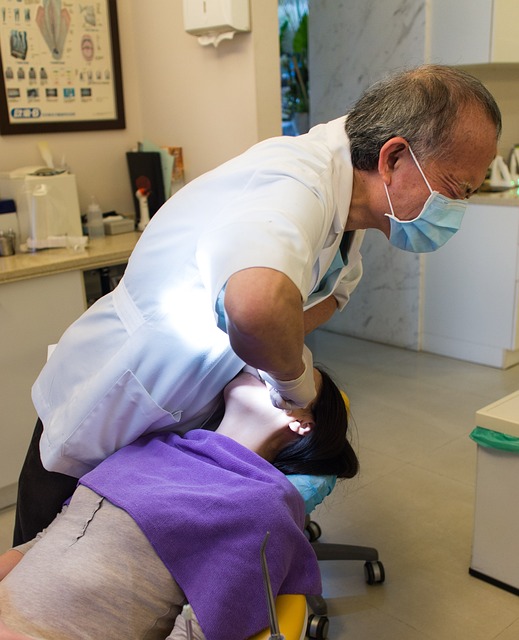
The Process of Oral Cancer Screening During a Regular Dental Visit
During a routine dental visit, dentists in Cambridge employ a comprehensive approach to assess the health of their patients, which includes the process of oral cancer screening. This critical examination typically involves a visual-oral exam, where the dentist and dental hygienist carefully inspect the entire oral cavity for any abnormalities. They will look for signs such as red or white patches, mouth sores that do not heal within two weeks, and lumps or thickenings in the tissue. The use of specialized lighting and high-definition visual tools can enhance the accuracy of this inspection. Additionally, the dentist may palpate the tissues to check for any lymphadenopathy or swelling that could indicate underlying concerns.
For a more precise evaluation, some dental practices in Cambridge incorporate advanced technology like Vizilite Plus or Identafi, which aid in the early detection of oral cancers. These tools utilize fluorescence technology and visualization dyes to highlight abnormal tissue. Furthermore, in cases where there is a suspicion of cancerous growths, the dentist may refer the patient for further diagnostic procedures, which could include biopsies or imaging tests such as CT or MRI scans. Early detection through these screening methods during a dental visit is crucial, as it significantly increases the chances of successful treatment outcomes, making dental implant surgery Cambridge a viable option for patients who require more extensive oral rehabilitation later on.
Dental Implant Surgery Cambridge: Considerations for Post-Treatment Monitoring

Advanced Diagnostic Techniques Used in Oral Cancer Screenings
