Navigating the complexities of temporomandibular joint (TMJ) disorders can be a challenging journey for many, including residents of Glasgow. This comprehensive guide delves into the various facets of managing TMJ, from understanding its symptoms and causes to exploring advanced management strategies and surgical interventions. We will examine the diagnostic processes employed by Glasgow dentists, the role of non-invasive techniques in providing relief, and the potential benefits of cosmetic dental veneers as a solution for those affected. Additionally, we will discuss long-term management, coping mechanisms, and the supportive resources available to Glasgow’s TMJ patients. This article serves as a vital resource for those seeking to understand and effectively manage TMJ disorders.
- Understanding TMJ Disorders: Symptoms and Causes in Glasgow Residents
- Diagnostic Approaches for TMJ: What Glasgow Dentists Look For
- Non-Invasive TMJ Management Strategies for Effective Relief
- Exploring Cosmetic Dental Veneers as a Solution for TMJ Patients in Glasgow
- Surgical Interventions and When They Are Considered Necessary for TMJ
- Living with TMJ: Long-Term Management, Coping Mechanisms, and Support Systems in Glasgow
Understanding TMJ Disorders: Symptoms and Causes in Glasgow Residents
For Glasgow residents grappling with temporomandibular joint (TMJ) disorders, it’s crucial to recognize the signs and symptoms, as well as the potential causes behind this condition. TMJ dysfunction manifests through a variety of indicators, including difficulty in chewing, pain or tenderness in the jaw, clicking or popping sounds upon moving the jaw, and a limited range of motion or locking of the jaw. These symptoms can significantly impact daily activities and quality of life. Understanding TMJ disorders begins with identifying these manifestations, which may also include toothache, earaches, and even neck and shoulder pain.
The causes of TMJ disorders are diverse, often rooted in a combination of factors. Trauma or injury to the jaw, misaligned teeth, or stress-related clenching and grinding of the teeth can all contribute to TMJ issues. In some cases, rheumatological conditions or osteoarthritis in the joint may be at play. For those seeking relief or cosmetic solutions, dental veneers in Glasgow offer a potential path forward. These thin layers of material bonded to the surface of teeth can not only enhance appearance but also contribute to the proper alignment and function of the mouth, potentially alleviating some TMJ symptoms. It’s advisable for individuals experiencing TMJ symptoms to consult with dental professionals who specialize in this field. They can provide a comprehensive assessment, diagnose the underlying issues, and recommend the most suitable treatment options, which may include orthodontic intervention, custom-fitted mouthguards, or physical therapy exercises.
Diagnostic Approaches for TMJ: What Glasgow Dentists Look For
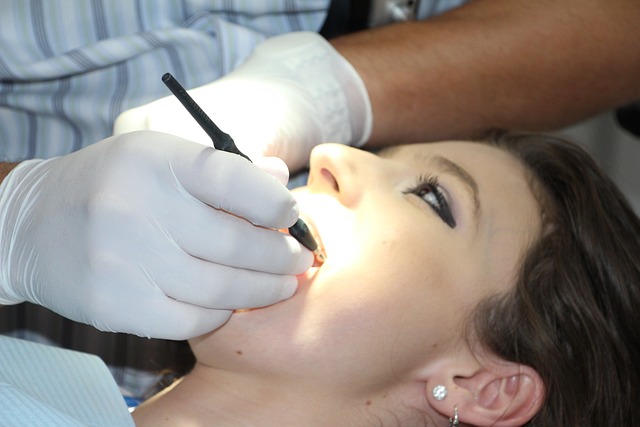
When patients in Glasgow present with symptoms indicative of temporomandibular joint (TMJ) disorders, dentists employ a comprehensive diagnostic approach to accurately identify and manage the condition. This process begins with a thorough clinical examination, where Glasgow-based dental professionals assess the patient’s oral health status, including the occlusal relationship and any signs of wear or damage on the teeth. They also evaluate the range of motion of the jaw, listening for any abnormal sounds or tenderness upon movement, which can be indicative of TMJ dysfunction.
Furthermore, dental practitioners in Glasgow may utilise diagnostic imaging techniques such as X-rays, CT scans, or MRI to obtain a clearer view of the joint’s anatomy and function. These imaging modalities can reveal structural abnormalities, degenerative changes, or signs of inflammation within the TMJ. In some cases, cosmetic dental veneers in Glasgow may be considered as part of the treatment plan to address aesthetic concerns resulting from TMJ disorders, such as tooth misalignment or damage. Additionally, dentists might employ dental splints to stabilise the jaw and reduce muscle tension, which can alleviate symptoms and facilitate healing. Throughout the diagnostic process, Glasgow dentists prioritise patient comfort and aim to establish a precise diagnosis to tailor effective treatment strategies for managing TMJ disorders.
Non-Invasive TMJ Management Strategies for Effective Relief
Managing temporomandibular joint (TMJ) disorders often begins with non-invasive strategies that can provide significant relief for patients. A key approach in this realm is the implementation of behavioral therapy techniques, which include exercises aimed at stretching and strengthening the muscles around the jaw. These exercises can help reduce pain and improve the range of motion in the joint. Additionally, maintaining proper posture and avoiding excessive gum chewing or nail biting can mitigate TMJ symptoms.
For those seeking a cosmetic solution that also addresses functional issues, cosmetic dental veneers in Glasgow present an option worth considering. These veneers are not merely for aesthetic enhancement; they can also be tailored to support proper occlusion and alleviate the strain on the TMJ. When considering this treatment, it’s advisable to consult with specialists who have expertise in both cosmetic dentistry and the management of TMJ disorders. They can assess your unique situation and recommend whether veneers could be a beneficial addition to your overall treatment plan for effective relief from TMJ symptoms.
Exploring Cosmetic Dental Veneers as a Solution for TMJ Patients in Glasgow
Surgical Interventions and When They Are Considered Necessary for TMJ
When non-surgical interventions for temporomandibular joint (TMJ) disorders have been exhausted and conservative treatments fail to alleviate symptoms, surgical interventions may be considered. These procedures are typically reserved for cases where there is significant degeneration or deformity, persistent severe pain that does not respond to other therapies, or a limitation in jaw movement significantly impacting quality of life. Surgical options for TMJ disorders vary and include arthroscopic debridement, open-joint surgery, and reconstructive surgery. In cases where cosmetic dental veneers in Glasgow are sought alongside TMJ treatment, it’s crucial to consult with both a TMJ specialist and a restorative dentist to ensure that the aesthetic and functional goals align, and that the proposed treatments address both the patient’s desire for an improved appearance and the underlying jaw dysfunction. The timing of surgical intervention is critical and depends on the severity of the condition, the patient’s response to previous treatments, and the presence of any complicating factors such as dental malocclusion or rheumatologic disease. Advanced imaging and a comprehensive evaluation are essential in determining the most appropriate course of action for each patient with TMJ disorders considering surgical intervention.
Living with TMJ: Long-Term Management, Coping Mechanisms, and Support Systems in Glasgow
Managing temporomandibular joint (TMJ) disorders requires a multifaceted approach that encompasses various strategies for long-term management, coping mechanisms, and the support of specialized healthcare providers. In Glasgow, patients with TMJ disorders can benefit from the expertise of dental professionals who specialize in cosmetic dental veneers Glasgow. These specialists not only address aesthetic concerns arising from TMJ but also offer solutions that can aid in reducing the strain on the jaw joint. For instance, custom-fitted mouthguards or splints may be prescribed to minimize muscle tension and improve bite alignment. Additionally, behavioral therapy plays a crucial role in helping patients identify and modify activities that exacerbate TMJ symptoms.
Living with TMJ can be challenging, as the condition often involves chronic pain and discomfort. However, the city of Glasgow offers robust support systems for individuals navigating this journey. Support groups and therapists can provide valuable coping strategies, ranging from stress management techniques to dietary recommendations that alleviate pressure on the jaw. Furthermore, the integration of advanced dental treatments, such as those provided by cosmetic dental veneers Glasgow clinics, can help manage both the functional and aesthetic aspects of TMJ. These treatments are tailored to fit each patient’s unique needs, offering a path towards improved comfort and quality of life. Engaging with healthcare providers who understand the complexities of TMJ and have access to cutting-edge technologies ensures that patients in Glasgow receive comprehensive care for their condition.