
In Newcastle Upon Tyne, dental clinics have begun integrating oral cancer screenings with routine dental exams, particularly when fitting dental crowns and bridges. This initiative harnesses the keen observational skills of dentists to catch early signs of oral cancer that might otherwise go unnoticed. By combining visual inspections with advanced diagnostic tools like optical coherence tomography (OCT) and reflectance confocal microscopy (RCM), Newcastle Upon Tyne's dental professionals are at the forefront of early detection, ensuring high rates of accurate diagnosis. This proactive approach not only aligns with the highest standards of preventive healthcare but also underscores the importance of regular dental visits, where the fitting process for crowns and bridges becomes an additional opportunity for vigilance in oral cancer screening. The city's commitment to incorporating these screenings within dental care, including the use of crowns and bridges, positions it as a leader in promoting early detection and improving patient outcomes in the fight against oral cancer. This strategy enhances the comprehensive dental services available in Newcastle Upon Tyne, emphasizing the critical role of dentistry in the broader context of health care.
Oral cancer remains a significant health concern globally, with early detection pivotal in improving patient outcomes. In Newcastle Upon Tyne, dental professionals are at the forefront of integrating oral cancer screenings into routine exams, marking a critical advancement in early detection. This article delves into the essential role these practitioners play, leveraging advanced techniques alongside the placement of dental crowns and bridges to identify potential risks. By examining current practices within Newcastle Upon Tyne’s clinics, we uncover a proactive approach to oral health that underscores the importance of preventive measures in the fight against this disease.
- Oral Cancer Screening Integration in Routine Dental Exams at Newcastle Upon Tyne Clinics: A Necessary Step for Early Detection
- The Role of Dental Professionals in Identifying Oral Cancer: Utilizing Advanced Techniques and Dental Crowns and Bridges as Diagnostic Tools in Newcastle Upon Tyne
Oral Cancer Screening Integration in Routine Dental Exams at Newcastle Upon Tyne Clinics: A Necessary Step for Early Detection

Integrating oral cancer screenings into routine dental exams in Newcastle Upon Tyne clinics represents a critical advancement in early disease detection. This proactive approach ensures that individuals receiving dental crowns and bridges, or any other dental procedures, are also assessed for signs of oral cancer. The proximity of dental professionals to the oral tissues means they are uniquely positioned to notice abnormalities that may not be immediately apparent to patients. By incorporating this screening step, clinics in Newcastle Upon Tyne can significantly improve early diagnosis rates, which is pivotal for better patient outcomes. The screening process is quick and non-invasive, often involving visual inspections and the use of adjunctive tools like oral rinses or specialized lighting. This integration not only aligns with best practices in preventative healthcare but also underscores the comprehensive nature of dental services available in Newcastle Upon Tyne, where patient well-being remains a top priority alongside the provision of high-quality dental crowns and bridges. Patients benefit from a more thorough examination, which could lead to the early identification and treatment of oral cancer, thereby increasing their chances of successful recovery.
The Role of Dental Professionals in Identifying Oral Cancer: Utilizing Advanced Techniques and Dental Crowns and Bridges as Diagnostic Tools in Newcastle Upon Tyne
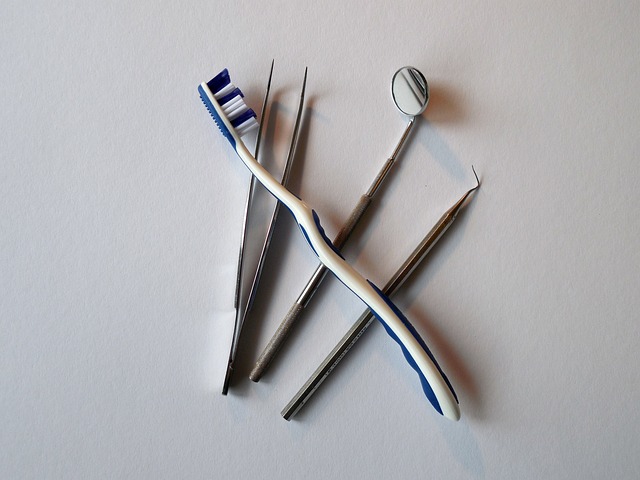
In Newcastle Upon Tyne, dental professionals play a pivotal role in the early detection and diagnosis of oral cancer. During routine examinations, these experts employ advanced techniques that transcend the traditional visual inspections. They utilize cutting-edge diagnostic tools such as optical coherence tomography (OCT) and reflectance confocal microscopy (RCM), which provide high-resolution images of the oral mucosa, aiding in the identification of precancerous and cancerous lesions. This proactive approach ensures that potential issues are caught early, significantly improving patient outcomes. Moreover, the fitting of dental crowns and bridges, commonly associated with restorative dentistry, also serves as an indirect diagnostic tool. The process involves taking impressions of the patient’s mouth, which can reveal abnormalities that may not be immediately visible. Dentists in Newcastle Upon Tyne are trained to detect these subtle signs during the impression-taking and fitting procedures. Consequently, the routine placement of crowns and bridges can lead to the early detection of oral cancer, making dental offices an integral part of the broader healthcare system in the region. The integration of these diagnostic elements within the framework of preventive care underscores the importance of regular dental check-ups for maintaining overall health. Dental professionals in Newcastle Upon Tyne are at the forefront of this initiative, ensuring that oral cancer screenings are an essential component of routine oral healthcare, potentially saving lives through vigilance and technical expertise.
In recent advancements, the integration of oral cancer screenings within routine dental exams at Newcastle Upon Tyne clinics has proven pivotal for early detection. Dental professionals in the region are now adept at leveraging advanced techniques, alongside innovative uses of dental crowns and bridges, to identify oral cancer more effectively. This proactive approach underscores a significant shift in dental care practices, highlighting the importance of regular check-ups not just for oral health but also for broader well-being. The collaboration between dentists and patients in Newcastle Upon Tyne has the potential to save lives by catching this disease at its earliest stages, emphasizing the role of preventive healthcare in modern medicine.