In Liverpool, addressing dental decay or injury necessitates restorative treatments like fillings and crowns to restore oral health and function. Fillings involve cleaning out decay and filling the cavity with materials like composite resin, while crowns are custom caps for severely damaged teeth. The costs for these procedures in Liverpool can vary widely based on factors such as material choice, dental practitioner's expertise, and the tooth's condition. A straightforward tooth extraction may cost between £50 and £200, with surgical extractions ranging up to £450. Fillings start from around £50 for amalgam to approximately £200 for composite, while crowns typically range from £250 to £1,200 per tooth, depending on the material used. Patients should consider their budget and discuss with a dental professional which filling material—such as composite for aesthetics or gold for longevity—suits their needs best. Post-treatment care includes managing pain with over-the-counter medication, maintaining gentle oral hygiene, and avoiding chewing on the treated side for at least two days. Regular dental visits are crucial for monitoring the longevity of fillings and crowns and for preventing future issues, especially considering the tooth extraction cost in Liverpool. Understanding these costs helps patients make informed decisions about their dental care and budget effectively for long-term oral health maintenance.
When confronting dental caries, restorative solutions such as fillings and crowns play a pivotal role in maintaining oral health. This article delves into the essentials of dental fillings and crowns, exploring their roles, procedures, and cost implications, particularly within the context of Liverpool’s dental care services. Understanding the differences between these treatments and how they address cavities is crucial for anyone facing tooth decay. We will navigate through the latest in filling materials, assess when a crown might be necessary, and provide insights into managing costs associated with tooth extraction cost Liverpool versus the expenses for fillings and crowns. Additionally, we’ll cover post-procedure care to ensure the durability of these restorations. Join us as we explore the critical aspects of dental restoration options available today.
- Understanding Dental Fillings and Crowns: A Necessary Solution for Cavities
- The Procedure: From Cavity Detection to Filling with Composite Material
- Assessing the Need for a Crown: When Fillings Aren't Enough
- Cost Analysis: Tooth Extraction Cost in Liverpool vs. Filling and Crown Placement
- Choosing the Right Material for Your Dental Filling
- Post-Procedure Care: Ensuring the Longevity of Your Dental Work in Liverpool
Understanding Dental Fillings and Crowns: A Necessary Solution for Cavities
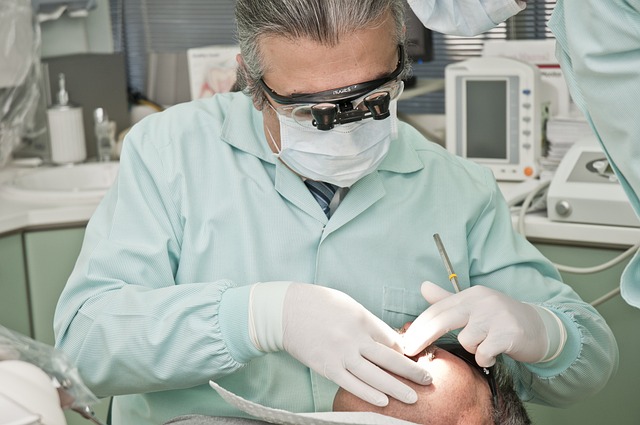
When dental decay or damage compromises the integrity of a tooth, restorative treatments such as fillings and crowns become necessary to restore both function and health. Dental fillings are a common procedure used to fill in the gaps created by tooth decay, effectively sealing the area to prevent further deterioration and protect the remaining tooth structure. The process of applying a filling is relatively straightforward, involving the removal of decayed material and replacement with a safe, biocompatible filling material, such as composite resin or amalgam.
Crowns, on the other hand, are custom-made caps designed to cover a damaged or decayed tooth completely. They are typically used when a large portion of the tooth is missing, or the tooth has undergone root canal treatment, making it structurally unsound. Crowns not only restore the natural function and appearance of the tooth but also strengthen it against future fractures or breakages. For those in Liverpool seeking dental care, understanding the cost associated with tooth extraction, fillings, or crowns is essential. The expenses can vary based on the type of restoration, the dentist’s expertise, and the materials used. It is advisable to consult with a dental professional for a personalized assessment and to discuss the various options available, including the potential costs involved in such procedures as tooth extraction cost in Liverpool. This ensures that patients are well-informed and can make decisions aligned with their financial capabilities and oral health needs.
The Procedure: From Cavity Detection to Filling with Composite Material

When a dental professional detects a cavity, the subsequent procedure involves several steps to restore the affected tooth’s health and function. The initial step involves a thorough examination of the tooth using diagnostic tools such as X-rays to determine the extent of decay. Once the cavity is identified, the dentist will numb the area with a local anesthetic to ensure patient comfort. This is particularly important for patients who experience dental anxiety or high sensitivity.
The next phase of the procedure involves removing the decayed material from the tooth’s structure using a drill, air abrasion instrument, or laser. The choice of tool depends on the size and location of the cavity as well as the patient’s specific needs. After the decay is carefully removed, the dentist will clean the cavity to remove any remaining debris and bacteria. The final step involves filling the cavity with a composite material, which is a tooth-colored filling that can be closely matched to the natural color of nearby teeth. This not only enhances the aesthetic appearance but also provides a durable restoration. Composite fillings are popular due to their ability to bond directly to the tooth structure, requiring less removal of the healthy tooth surface compared to other types of fillings. The entire procedure is typically completed in a single dental visit, and the cost can vary depending on factors such as the complexity of the cavity and the location of the practice, with Liverpool’s tooth extraction cost being specific to the region’s dental service prices. Patients interested in understanding the potential costs associated with composite fillings in Liverpool should consult with their dentist for a personalized estimate.
Assessing the Need for a Crown: When Fillings Aren't Enough

When a cavity has progressed beyond a certain point, a traditional filling may no longer suffice to restore the tooth’s structure and function. In such cases, a dental crown might be the most effective solution. A crown, which encases the entire visible portion of a tooth, provides robust support for teeth that have been significantly damaged or weakened by decay, large fillings, cracks, or other structural issues. It’s crucial for patients to understand when a filling is no longer adequate and a crown becomes necessary. This decision is typically made after a thorough dental examination, during which the dentist evaluates the extent of the damage and considers factors such as the tooth’s size, shape, and function.
Patients considering a crown may also be interested in the cost associated with the procedure, particularly if they are in areas like Liverpool. The cost of a dental crown can vary based on several factors, including the type of material used for the crown, the complexity of the case, and the expertise of the dentist. For those in Liverpool, tooth extraction cost comparisons should include not only the initial procedure but also long-term considerations such as maintenance, potential complications, and the impact on overall oral health. It’s advisable to consult with a dental professional for a personalized assessment and to discuss the various options available, including different crown materials and payment plans that can help manage the cost effectively.
Cost Analysis: Tooth Extraction Cost in Liverpool vs. Filling and Crown Placement
When considering dental treatments, understanding the cost implications is crucial for patients. In Liverpool, the tooth extraction cost varies depending on several factors such as the complexity of the procedure and the practitioner’s expertise. For a simple extraction, the average cost ranges from £50 to £200, while a surgical extraction can be priced between £150 and £450. These figures reflect private dental practice rates and may differ based on individual clinics and dentists.
In contrast, the costs associated with filling and crown placement are distinct from extractions. Fillings serve to restore a tooth’s function and structure following decay or damage. The cost for a filling in Liverpool typically starts at around £50 for a basic amalgam filling, with more expensive options like composite fillings ranging upwards of £100 to £200. Crown placement is a more involved process, which involves creating a custom-made ‘cap’ to cover a tooth. On average, a crown in Liverpool may cost between £250 and £1,200 per tooth, with lab fees and the material used influencing the price. Patients considering crowns have options for materials such as porcelain fused to metal (PFM), gold alloy, or zirconia, each offering different aesthetic and durability characteristics, which in turn affect the overall cost. Compared to tooth extraction costs, the investment in fillings and crowns can be significant but is often necessary for long-term oral health and function. It’s always advisable for patients to consult with their dental provider to understand the full scope of costs associated with these procedures, including potential additional expenses such as anesthesia or follow-up appointments.
Choosing the Right Material for Your Dental Filling
When faced with a cavity, selecting the appropriate material for your dental filling is paramount to ensuring the longevity and functionality of the restored tooth. The choice of filling material depends on several factors, including the size and location of the cavity, the cost considerations, and the patient’s oral health history. Composite fillings, which are made from a mixture of glass or quartz and resin, are popular for their aesthetic appeal and ability to bond directly with the tooth structure. They are particularly suitable for front teeth or areas visible when smiling. On the other hand, amalgam fillings, traditionally containing mercury combined with other metals, are strong and durable, making them a good choice for less visible molars or for larger fillings in back teeth.
For those concerned about cost, it’s worth researching the tooth extraction cost in Liverpool, as this can influence the type of filling material chosen. Gold fillings offer an alternative with excellent longevity and resistance to wear and tarnish. Porcelain or ceramic fillings, often used for inlays and onlays, mimic the natural color of teeth and are highly durable. Additionally, newer materials like glass ionomer and resin-modified glass ionomer cements can provide a fluoride release, which can help protect the tooth from further decay, particularly in areas with high moisture content or for patients with a history of sensitive teeth. Consulting with a dental professional in Liverpool will ensure that the chosen filling material aligns with your specific needs and budget, ultimately contributing to the overall health and appearance of your smile.
Post-Procedure Care: Ensuring the Longevity of Your Dental Work in Liverpool
After undergoing a procedure to fill cavities with fillings or crowns in Liverpool, post-procedure care is paramount to ensure the longevity and success of your dental work. Immediately following the treatment, your mouth may feel numb due to anesthesia, so take care to avoid accidentally biting your inner cheeks or tongue. Over-the-counter pain relief can be taken as directed to manage any discomfort. It’s crucial to maintain good oral hygiene; gentle brushing and warm saltwater rinses can help keep the area clean and reduce inflammation. For the first 24 to 48 hours, avoid eating on the side of your mouth where the procedure was performed, and stick to soft foods that don’t require much chewing. This will prevent potential disruption to the newly placed filling or crown.
To ensure the long-term health of your dental work, it’s important to maintain regular dental check-ups and cleanings. These visits allow your dentist to monitor the condition of your fillings and crowns, making necessary adjustments to prevent any future complications. Additionally, being mindful of tooth extraction cost in Liverpool can influence your choices regarding dental care. It’s wise to discuss with your dentist the long-term maintenance costs associated with different types of fillings or crowns, so you can plan and budget accordingly. By taking a proactive approach to your oral health and understanding the financial implications, you can maintain your smile’s aesthetics and functionality for years to come.
When confronting dental cavities, the choices for restoration are critical. This article has delved into the necessity of dental fillings and crowns as effective solutions, detailing the procedures involved from cavity detection to the various materials available for fillings, including composite material. It has also highlighted when a crown might be the more appropriate option than a filling. A cost comparison between tooth extraction and filling or crown placement in Liverpool underscores the financial implications of these treatments. Proper post-procedure care is essential for the durability of any dental restoration, ensuring patients can maintain optimal oral health. Ultimately, informed decisions regarding fillings or crowns, guided by professional dental advice, are key to preserving tooth structure and overall oral health. For residents in Liverpool seeking cost-effective and durable dental solutions, understanding the options available is paramount.