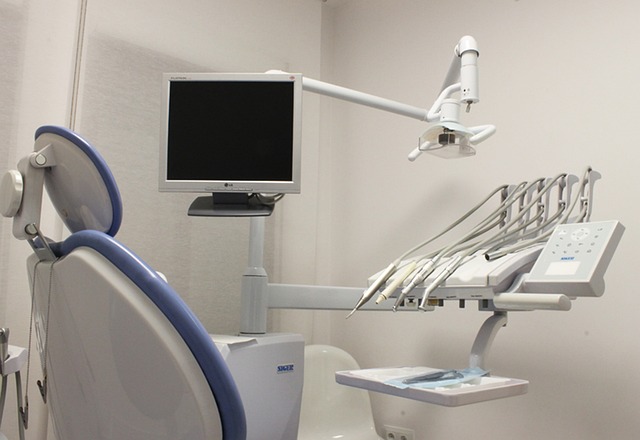
Tooth decay, commonly known as dental caries, is a major concern for oral health that requires attention and proactive measures. It occurs when bacterial plaque interacts with dietary sugars to form acids that erode tooth enamel, leading to cavities if not managed properly. The Plymouth community has robust emergency dental care services that offer prompt treatment for urgent dental issues, such as severe pain, infection, or tooth injuries, ensuring immediate relief and preventing the progression of decay. These services are equipped to perform necessary procedures like cleanings, fillings, root canals, extractions, and temporary restorations to address both acute and chronic dental problems. Additionally, Plymouth's emergency dental care emphasizes patient education on oral hygiene practices and preventative care to maintain good oral health long-term. The accessibility of these services is crucial for the well-being and quality of life of Plymouth residents, making it a vital component of the local healthcare system.
Each year, dental caries and tooth decay affect countless individuals worldwide, leading to discomfort and a range of dental treatments. This article delves into the intricacies of diagnosing and treating these prevalent conditions, with a focus on Emergency Dental Care Plymouth’s role in managing tooth decay. We will explore the causes, symptoms, and effective prevention strategies, followed by an examination of various treatment options from conservative to surgical approaches available for patients in Plymouth. Understanding the importance of timely intervention, this article aims to equip readers with the knowledge necessary to navigate the complexities of dental caries and advocate for their oral health needs.
- Understanding Dental Caries and Tooth Decay: Causes, Symptoms, and Prevention Strategies
- The Role of Emergency Dental Care in Managing Tooth Decay in Plymouth
- Effective Treatment Options for Dental Caries: From Conservative to Surgical Approaches in Plymouth
Understanding Dental Caries and Tooth Decay: Causes, Symptoms, and Prevention Strategies
Understanding dental caries, commonly known as tooth decay, is fundamental for maintaining oral health. This progressive damage to a tooth’s enamel and underlying dentin, often initiated by bacteria in plaque, can lead to cavities and potentially severe dental issues if left untreated. The process begins with the interaction of these bacteria with sugars or carbohydrates in the mouth, producing acids that erode the mineral content within the teeth. Regular consumption of foods and beverages high in sugar increases the risk of caries development.
Symptoms of tooth decay can range from sensitive teeth to visible holes in the teeth, depending on the severity and progression of the disease. Early detection is crucial, as it allows for less invasive treatments like fillings. However, if left unchecked, the decay can penetrate deeper layers of the tooth, leading to pain, infection, or even loss of the tooth. Prevention strategies are key to avoiding these complications. Maintaining good oral hygiene through regular brushing and flossing, limiting sugary food intake, and staying hydrated with fluoridated water are all effective measures. Additionally, professional dental cleanings and exams can help remove plaque buildup and detect early signs of decay. For those facing an emergency dental situation in Plymouth, prompt care from a qualified dentist is essential to address the issue effectively and preserve oral health. Emergency dental services in Plymouth are equipped to handle urgent cases, providing timely interventions such as root canals or tooth extractions when necessary. It’s important for individuals to be vigilant about their oral health and to seek professional advice at the first sign of trouble.
The Role of Emergency Dental Care in Managing Tooth Decay in Plymouth
In Plymouth, emergency dental care serves as a critical response mechanism for individuals experiencing acute dental issues, particularly tooth decay. When a patient in Plymouth encounters a dental emergency such as severe pain, infection, or an injured tooth, prompt access to specialized care is paramount. Emergency dental services in Plymouth are equipped to address immediate concerns arising from tooth decay, offering relief and preventing further complications. These services ensure that patients receive timely intervention, which can be instrumental in saving a tooth that might otherwise be lost due to the progression of decay. The dental professionals in Plymouth’s emergency care units are adept at performing necessary procedures, including pain management, cleanings, and temporary restorations, to stabilize the condition until more definitive treatment can be scheduled. This swift action not only alleviates suffering but also minimizes the risk of secondary health issues that can arise from untreated tooth decay.
Furthermore, the role of emergency dental care in Plymouth extends beyond immediate intervention; it also plays a vital part in the ongoing management and prevention of tooth decay. By providing patients with guidance on proper oral hygiene practices and follow-up care, these services help prevent future episodes of tooth decay. Additionally, they offer educational resources that empower patients to maintain good oral health between emergencies. The availability of emergency dental care in Plymouth ensures that residents have access to high-quality, urgent dental services when they need them most, contributing significantly to the overall well-being and quality of life within the community.
Effective Treatment Options for Dental Caries: From Conservative to Surgical Approaches in Plymouth
When confronting dental caries, or tooth decay, effective treatment options vary depending on the severity and stage of the condition. In Plymouth, a range of approaches is available to both prevent and address this common health issue. For early stages of decay, conservative treatments are often sufficient to restore oral health. These include professional cleanings, fluoride treatments, and the application of dental fillings to remove decayed material and replace it with a safe, biocompatible filling material. Patients in Plymouth can access these services as part of routine dental care or during emergency dental visits when necessary.
For more advanced cases where conservative treatment is insufficient, surgical options such as root canal therapy may be required. This procedure involves removing the infected pulp from the tooth and cleaning the inside of the tooth to prevent reinfection. In instances where the tooth cannot be saved, extraction might be the only option, followed by the placement of a dental implant or bridge to maintain oral function and aesthetics. Plymouth’s emergency dental care services are equipped to handle such situations, offering prompt and effective interventions to alleviate pain and prevent further complications. These services prioritize patient comfort and long-term oral health, ensuring that residents of Plymouth have access to the care they need when they need it most.
In conclusion, dental caries, commonly known as tooth decay, remains a prevalent issue that necessitates informed prevention and timely treatment. The comprehensive understanding of its causes and symptoms, as detailed in this article, underscores the importance of maintaining oral hygiene and seeking professional care. Residents of Plymouth who find themselves facing tooth decay have access to a spectrum of effective treatment options, ranging from conservative to surgical approaches. Crucially, emergency dental care in Plymouth plays a pivotal role in managing acute cases and ensuring patients receive prompt attention when needed. By staying vigilant and utilizing the resources available, individuals can effectively mitigate the impact of dental caries, preserving their oral health and overall well-being.