- Understanding Temporomandibular Joint (TMJ) Disorders: A Comprehensive Overview
- 1. Definition and Types of TMJ Disorders
Understanding Temporomandibular Joint (TMJ) Disorders: A Comprehensive Overview
1. Definition and Types of TMJ Disorders
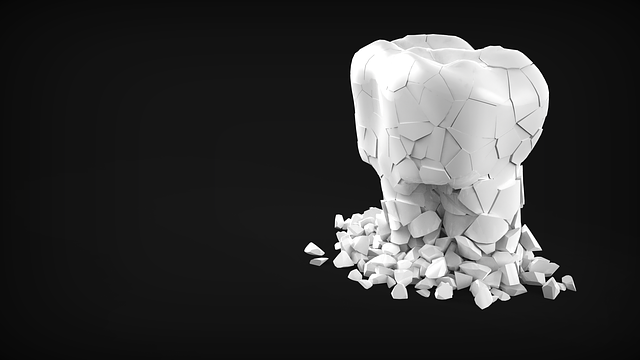
Temporomandibular joint and muscle disorders, commonly referred to as TMJ disorders, encompass a variety of issues that affect the jaw’s movement and function. The temporomandibular joint is the hinge joint that connects your lower jaw, the mandible, to your skull at the temporal bone. TMJ disorders can present as pain in the jaw joint and muscles that control jaw movement, difficulty in chewing or a mysterious click, pop, or sound when opening or closing the mouth. These conditions can range from mild to severe and may be influenced by a combination of factors including genetics, gender, and environment. In some instances, TMJ disorders are associated with stress and teeth grinding, which can lead to cosmetic concerns such as chipped teeth or a less confident smile. For those in Southampton seeking aesthetic solutions alongside functional treatment, cosmetic dentistry offers a range of procedures that not only address the underlying issues but also enhance the appearance of the smile, providing both physical comfort and psychological benefits.
Effective management of TMJ disorders often involves a multifaceted approach, including stress management techniques, dental splints to realign the bite, and in some cases, surgery. Physical therapy exercises may be prescribed to improve jaw function and reduce pain. Additionally, dietary modifications and the use of warm or cold compresses can alleviate discomfort. For those concerned about the aesthetic impact of TMJ on their smile, consulting with a cosmetic dentist in Southampton can offer tailored solutions that address both the functional and cosmetic aspects of the condition. These professionals specialize in correcting issues like misalignment, which can be a result of TMJ disorders, and restoring a confident, healthy smile. With advanced treatments and personalized care, individuals with TMJ disorders can find relief and improve their dental health, leading to a more confident and functional smile.
In conclusion, effectively managing temporomandibular joint disorders (TMJ) can significantly improve one’s quality of life and oral health. A thorough understanding of TMJ conditions, as outlined in this article, is the first step towards finding relief. Patients in Southampton seeking cosmetic dentistry solutions that contribute to a more confident smile may also benefit from treatments tailored to address TMJ issues. By consulting with dental professionals who specialize in this area, individuals can explore a range of therapeutic options, including custom-fitted mouthguards, behavioral therapy, and advanced dental interventions when necessary. With the right approach and care, those living with TMJ disorders can look forward to enhanced comfort and function, as well as the added confidence that comes from a healthy, beautiful smile.