
- Understanding the Necessity of Root Canal Treatments in Saving Teeth
- The Step-by-Step Process of Conventional Root Canal Therapy
- Evaluating the Role of Advanced Technologies in Modern Root Canal Procedures
- Comparing Root Canal Treatment and Dental Implant Surgery: When to Choose Each Option
- Aftercare and Maintenance: Ensuring the Longevity of Your Root Canal-Treated Tooth in Cambridge
Understanding the Necessity of Root Canal Treatments in Saving Teeth
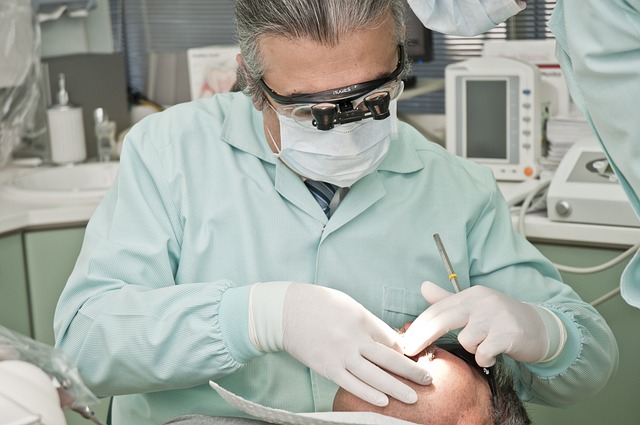
The Step-by-Step Process of Conventional Root Canal Therapy
Evaluating the Role of Advanced Technologies in Modern Root Canal Procedures

Comparing Root Canal Treatment and Dental Implant Surgery: When to Choose Each Option
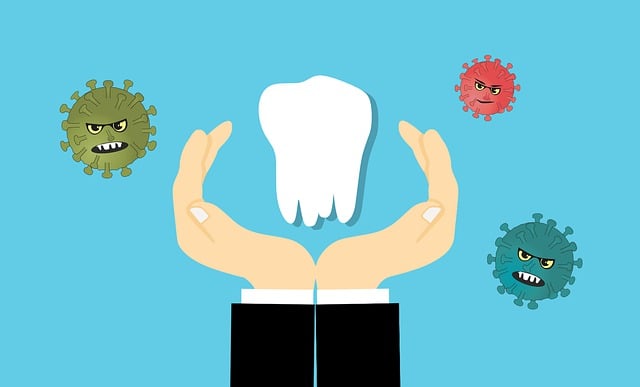
Root canal treatment and dental implant surgery are both advanced procedures in dentistry, each with its unique applications and outcomes. When deciding between a root canal and dental implant surgery in Cambridge, it’s crucial to consider the specific condition of the tooth and the patient’s overall oral health. A root canal treatment is a conservation procedure that aims to save a natural tooth whose pulp has become infected or damaged. This treatment involves removing the inflamed or infected pulp, cleaning, and disinfecting the tooth’s interior, and then sealing it to prevent further infection. In contrast, dental implant surgery in Cambridge is a restorative option that replaces missing teeth with artificial roots and teeth, providing a stable and durable solution for those who have lost their teeth or are about to have a tooth extracted.
Patients considering these options should evaluate the extent of damage to the tooth structure and the health of the surrounding gums and jawbone. A root canal is generally preferred when the natural tooth can be preserved and retains sufficient structural integrity to support a crown or filling. It is a less invasive procedure compared to implant surgery, often requiring less recovery time. On the other hand, dental implant surgery in Cambridge might be the better choice for patients who have significant damage to their teeth or for those who are missing one or more teeth and desire a permanent and natural-looking solution. Implants can also help maintain the health of the jawbone and prevent further bone loss after tooth loss. Ultimately, the decision should be made in consultation with a qualified dental professional who can assess the individual needs and provide personalized recommendations based on the patient’s unique dental situation.
Aftercare and Maintenance: Ensuring the Longevity of Your Root Canal-Treated Tooth in Cambridge

Following root canal treatment in Cambridge, the longevity and success of your restored tooth hinge on diligent aftercare and maintenance. Post-procedure, it is imperative to adhere to your dental professional’s instructions to facilitate healing and prevent infection. This includes managing any discomfort with prescribed medications and maintaining a gentle oral hygiene routine to avoid disturbing the treated area. Brushing at least twice daily with a soft-bristled brush and fluoride toothpaste is essential, as is flossing carefully to remove plaque and debris without causing damage to the newly sealed tooth.
Moreover, regular dental check-ups are crucial for monitoring the healing process and ensuring the tooth remains free from reinfection or further complications. These visits allow your dentist to assess the integrity of the root canal treatment and provide professional cleanings that remove calculus and tartar buildup, which can otherwise compromise the tooth’s structure. In the event that a dental implant becomes necessary due to the tooth’s prognosis post-root canal, your dentist in Cambridge can discuss the benefits and details of dental implant surgery. This option is available for cases where the natural tooth cannot be saved, offering a durable and aesthetic solution to restore your smile and oral function. Regardless of the path taken, maintaining good oral hygiene and attending regular dental appointments are key factors in ensuring the long-term success of your root canal treatment and the health of your teeth.